

The era of CRISPR therapeutics is here - what can we expect?
- The recent regulatory approvals for CRISPR-based therapies mark a transformative era in medicine.
- CRISPR-based therapies were approved for sickle-cell disease and β-thalassemia in the UK and the US.
Evolution of CRISPR Technology: A Timeline
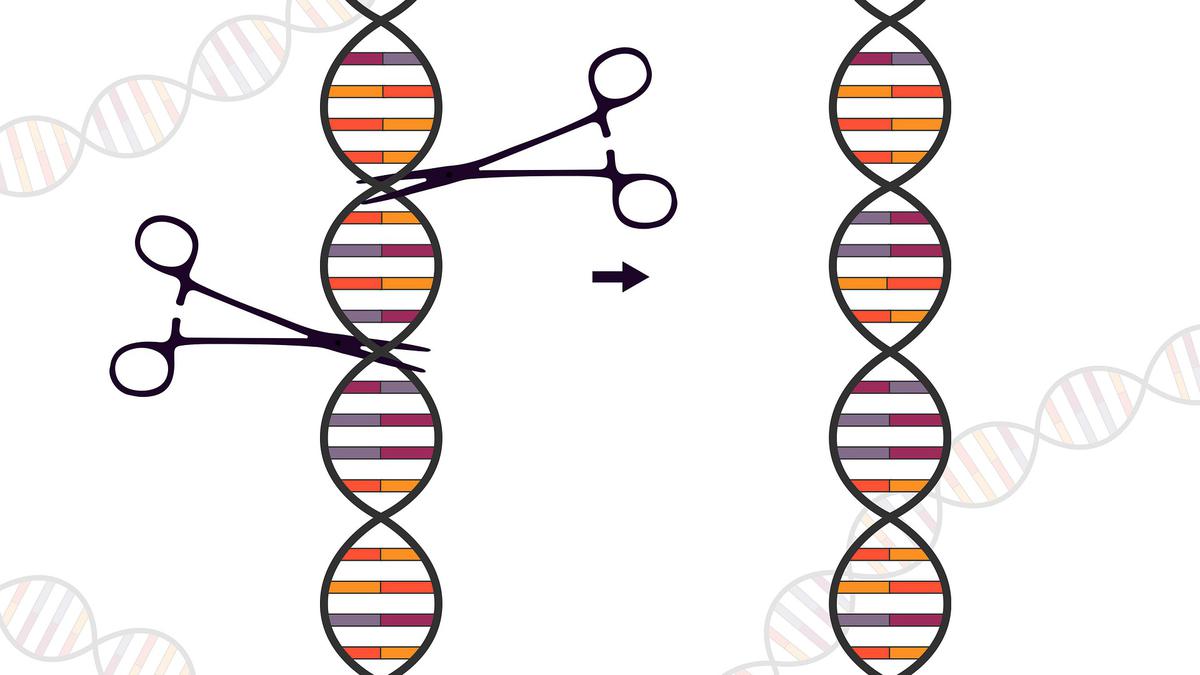
- The discovery of the CRISPR system spanned three decades, evolving from academic pursuit to a programmable "molecular scissor" for DNA editing.
- 1993
- Spanish researchers discover Clustered Regularly Interspaced Short Palindromic Repeats (CRISPR) in archaea.
- These elements contain pieces of genetic material derived from viruses that infect bacteria and a set of proteins called Cas, or CRISPR-associated.
- 2005
- Researchers tried to explain the CRISPR elements' impact on antiviral immunity.
- However, later found that CRISPR + Cas proteins could detect and prevent viral infections.
- This system allows bacteria to detect and prevent viral infections, enabling them to 'acquire' resistance.
- 2010
- Scientists demonstrate that CRISPR, in conjunction with Cas9 proteins, can cut double-stranded DNA at specific points.
- RNA molecules guiding Cas9 proteins to specific positions on the genome were also identified.
- 2012
- Researchers develop a method to create synthetic RNA that binds to Cas9, guiding it to specific points on DNA for editing.
- The breakthrough work of Emmanuelle Charpentier and Jennifer Doudna in 2012 establishes CRISPR-Cas9 as a programmable tool for precise DNA editing.
- 2020
- CRISPR-Cas9, developed by Emmanuelle Charpentier and Jennifer Doudna, received the 2020 Nobel Prize in chemistry.
- They were awarded for their groundbreaking contributions to the development of CRISPR-Cas9.
- CRISPR technologies continue to evolve, with advancements like base editing, prime editing, and epigenetic modifications.
CRISPR in Medicine
- CRISPR-Cas9 innovation paved the way for various applications, from targeted genetic therapies to agricultural advancements.
- In November, the UK and US approved CRISPR-based therapy, Casgevy, for sickle-cell disease and β-thalassemia treatment.
- Casgevy involves modifying a patient's blood stem cells to eliminate genetic defects causing disorders.
- The approvals represent a shift from treating symptoms to fixing the molecular basis of diseases.
Emerging CRISPR Technologies
- These approvals for CRISPR-based therapeutics are all based on first-generation technologies that have grown to become more efficacious as well as efficient.
- One fascinating approach is called base-editing, where scientists edit genomes at the resolution of a single nucleotide.
- Prime Editing: Researchers use a search-and-replace strategy to directly write or insert specific sequences into an existing genome with high accuracy.
- Another example is of systems that use CRISPR to modify epigenetic effects (effects of a body’s environment on its genes) in targeted fashion.
Several Challenges
- Safety and accuracy issues, including off-target events, remain challenges.
- The potential risks need to be balanced with short- and long-term benefits.
- Ongoing scrutiny and surveillance are required as therapies are in early development cycles.
Conclusion
- CRISPR technologies open new possibilities in precision medicine and genetic engineering, offering hope for patients with genetic disorders.
- While challenges exist, the potential for precision medicine and transformative impacts on healthcare are remarkable.