

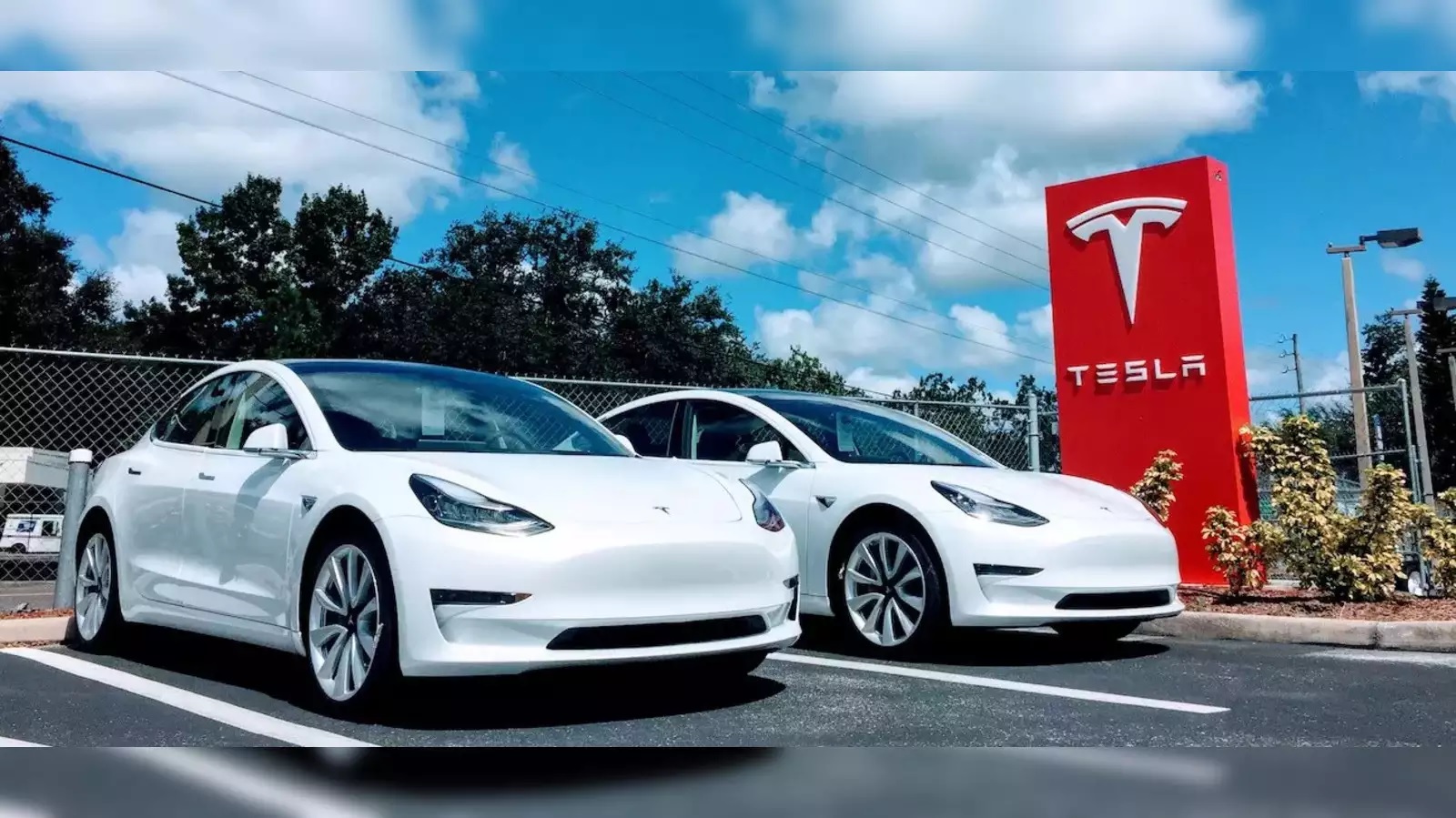
New policy cuts import duty on EVs with certain riders, likely to benefit global automakers like Tesla
- The central government approved a new electric vehicle (EV) policy under which companies setting up EV manufacturing facilities in the country will be allowed limited import of vehicles at a much lower customs duty.
Key Highlights
- India pledged to reach net-zero emissions by 2070.
- This requires reducing emissions from transportation and energy sectors.
- To achieve this, a shift towards electric vehicles (EVs) is crucial, particularly two-wheeler and three-wheeler vehicles which dominate Indian roads.
- EV sales in India are surging due to a rise in available models, expensive conventional fuel, government subsidies, and the FAME-II program.
- This program offers incentives for purchasing electric and hybrid vehicles.
The government is taking additional steps to promote EVs:
- Battery Swapping Policy: This allows swapping depleted batteries for charged ones, reducing charging downtime.
- Subsidies: Financial aid from the government lowers the upfront cost of EVs.
- E-AMRIT Portal: This online resource provides information for a smooth transition to EVs.
- New EV Policy with Tax Relief: This policy aims to attract global manufacturers to India, boosting domestic production and competition. This will lead to lower costs, reduced dependence on oil imports, and cleaner air.
- The new policy requires a minimum investment and sets domestic value addition targets for EV manufacturers.
- There are also limits on duty-free imports under this scheme.