

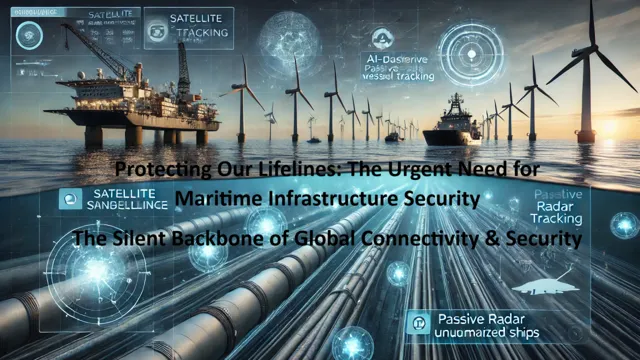
Submarine Cables:
**I. Significance **
- Role: Carry 99% of global internet traffic; backbone of digital economy.
- Global Network: 1.4 million km (2024) → Circles Earth 35 times.
- Capacity: Doubles every 2-2.5 years due to massive investments.
- Critical Chokepoints: Luzon Strait (Taiwan), Malacca Strait, Suez Canal.
**II. Strategic Importance & Geopolitics **
| Actor | Initiatives/Concerns |
|---|---|
| China | • Expanding via Belt and Road • Mapping cables; suspected sabotage (e.g., Shunxing-39 near Taiwan) |
| US/EU/Japan | Forming "clean cable" consortia to counter Chinese influence. |
| India | • 100% foreign-dependent for repairs → High risk • Disorganized expansion; lacks monitoring capabilities |
III. Threats & Vulnerabilities
- Physical Sabotage: Cutting cables (e.g., 2024 Taiwan incident).
- Espionage: Cable tapping (revealed by Snowden leaks).
- Governance Gaps: No formal global regulation; weak enforcement of laws like UNCLOS.
- Chokepoint Risks: Disruption at straits could paralyze connectivity.
IV. Solutions & India’s Path Forward
- Domestic Measures:
- Develop indigenous cable repair ships using PSU shipyards (e.g., Cochin Shipyard).
- Tamper-proof designs: Deeper burial, encryption.
- Designate cables as "Critical Infrastructure" (new Digital India Act).
- Global Cooperation:
- Quad Initiative: Joint monitoring & secure routes.
- Join International Cable Protection Committee (ICPC) frameworks.
- Legal Frameworks: Implement EEZ-based laws (like US) to penalize sabotage.
Data Point: India has 17 landing stations (Mumbai, Chennai, Kochi) but only 1 repair ship (owned by Japan).
Action Tip: Link to Sagarmala for port-led cable infrastructure development.