

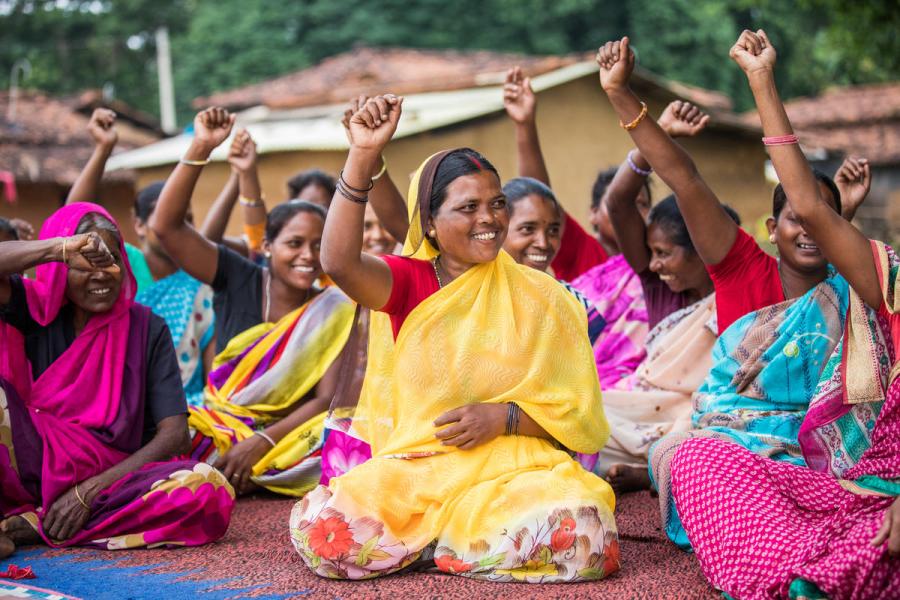
Having panchayats as self-governing institutions
- Three decades after the implementation of the 73rd and 74th Constitutional Amendment Acts, the status of devolution in India remains mixed.
- The Amendments envisaged that local bodies in India would function as institutions of local self government.
- As a follow up, the Ministry of Panchayati Raj was constituted in 2004 to strengthen rural local governments.
The Current Scenario
- While some states have made progress in decentralization, many still lag behind.
- The constitutional amendments emphasised fiscal devolution, including the generation of own revenues by panchayats.
- However, a significant portion of panchayat revenues still comes from grants provided by the central and state governments.
- 80% of the revenue is from the Centre and 15 % from the States.
- Only 1% of revenue is earned through taxes, highlighting the limited financial autonomy of panchayats.
Avenues for Revenue Generation
- Various State Panchayati Raj Acts have provisions for taxation and non-tax revenue that can be collected and utilised by panchayats.
- These include property tax, cess on land revenue, tax on profession, advertisement, and user charges.
- Non-tax revenue avenues include fees, rent, income from investments, and innovative projects like rural business hubs and renewable energy initiatives.
- Panchayats are expected to establish a conducive environment for taxation by implementing appropriate financial regulations.
- This includes making decisions regarding the tax and non-tax bases, determining their rates, defining exemption areas, and enacting effective tax management and enforcement laws for collection.
The Role of Gram Sabhas
- Gram sabhas play a crucial role in fostering self-sufficiency and sustainable development
- by leveraging local resources for revenue generation.
- They can be engaged in planning, decision-making, and implementation of revenue-generating initiatives.
- They have the authority to impose taxes, fees, and levies, directing the funds towards local development projects, public services, and social welfare programmes.
- They need to promote entrepreneurship, and foster partnerships with external stakeholders to enhance the effectiveness of revenue generation efforts.
Need for Equitable Sharing and Empowerment
- There is a disparity in tax collection responsibilities among different tiers of panchayats, with gram panchayats bearing the primary burden.
- Equitable sharing of revenue generation responsibilities among all tiers is essential for sustainable development.
- However, the dependency on grants from central and state finance commissions has led to a decline in efforts towards revenue generation.
- Several factors contribute to the reluctance in revenue generation, including the "freebie culture" and political concerns about popularity.
- There is a need for education and awareness among elected representatives and the public on the significance of revenue generation for local development.