

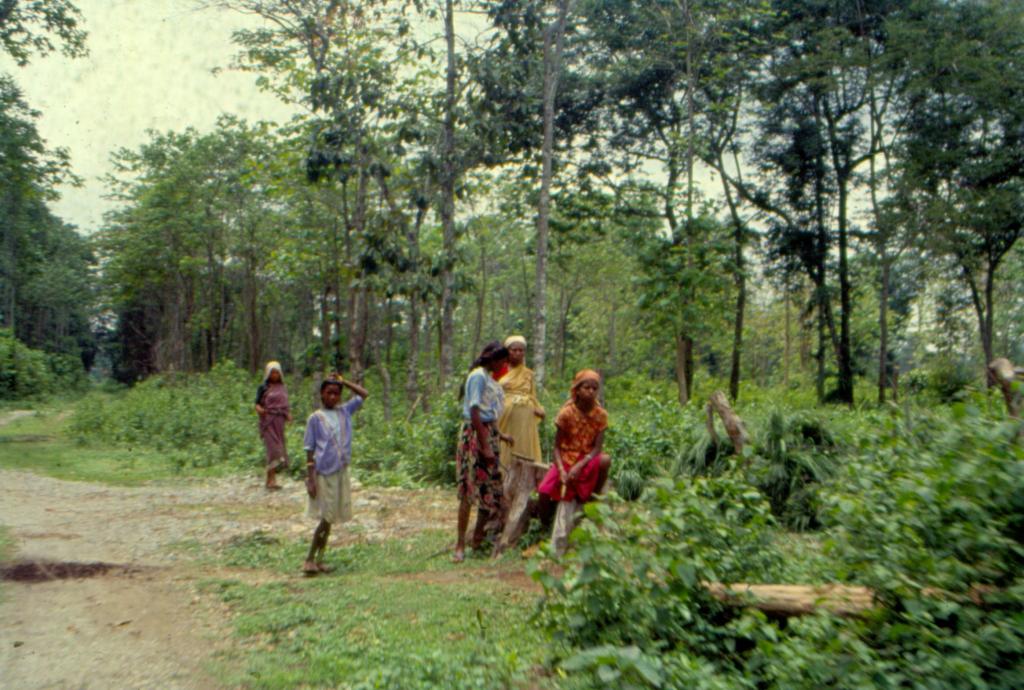
An uphill struggle to grow the Forest Rights Act
- The Forest Rights Act (FRA), enacted in 2006, marks a watershed in India’s socio-environmental legislation.
- It aimed to rectify historical injustices imposed on forest-dwelling communities during the colonial era.
- Simultaneously, it seeks to create a much more democratic, bottom-up forest governance.
- However, its implementation has been hindered by political opportunism, resistance from forest officials, bureaucratic apathy and misinformation.
Historical Injustices
- Prior to colonialism, local communities enjoyed customary rights over forests in their vicinity or even a large region.
- The colonial Indian Forest Act of 1878 disrupted traditional rights of local communities over forests, leading to significant injustices.
- Shifting cultivation was banned
- Forest villages were created with compulsory labour
- Access to forest produce became limited and controlled by the state.
- Post-independence, forest areas were declared state property without proper inquiry.
- This led to displacement of legitimate residents who were then labelled as 'encroachers.'
- The Wildlife (Protection) Act of 1972 and the Forest (Conservation) Act of 1980 further exacerbated injustices.
- They forcibly resettled communities for conservation projects and development initiatives without their consent.
Forest Rights Act, 2006
- The FRA acknowledged historical injustices and sought redress through three key measures.
- Recognition of Individual Forest Rights (IFRs) to continue habitation and cultivation existing before December 2005.
- Conversion of forest villages into revenue villages after full rights recognition.
- Recognition of Community Forest Rights (CFRs) promoting decentralized forest governance
- To access, use, own, sell minor forest produce
- To manage forests within customary boundaries
- Finally, it lays down a democratic procedure for identifying whether and where wildlife conservation may require curtailing or extinguishing community rights.
Challenges in Implementation
- The focus on individual rights by states, resistance from forest officials, and flawed digital processes have hampered the effective recognition of IFRs.
- The biggest lacuna in FRA implementation is the extremely slow and incomplete recognition of community rights.
- This hinders the realization of community-led forest conservation and sustainable livelihoods.
- Some states like Maharashtra, Odisha and Chhattisgarh have made progress in CFR recognition.
- However, the non-recognition of community rights remains convenient for conservationists and the development lobby.
Ongoing Struggles and Unfulfilled Potential
- Calls to shut down FRA implementation and saturating’ rights recognition in mission mode have emerged.
- However, mission mode implementation leads to distorted rights recognition and reinstatement of technocratic control.
Conclusion
- The political leaders, bureaucrats, and environmentalists need to appreciate the FRA's spirit and intent.
- This is to address historical injustices, democratize forest governance, and unlock the potential for community-led forest conservation and sustainable livelihoods.