

World’s race to eradicate Guinea worm disease nears the finish line
- The world is on the brink of a public health triumph as it closes in on eradicating Guinea worm disease.
Key Highlights
- There were more than 3.5 million cases of this disease in the 1980s
- But according to the World Health Organization’s (WHO) weekly epidemiological report, they dwindled to 14 cases in 2021, 13 in 2022, and just six in 2023.
- Rewind to the 1960s, a period marked by two monumental achievements: humankind’s first steps on the moon and the eradication of smallpox.
Infection cycle
- Guinea worm disease, also called dracunculiasis, is the work of the Guinea worm, whose infamy dates back to biblical times
- When it was called the “fiery serpent” and whose presence researchers have confirmed in Egyptian mummies.
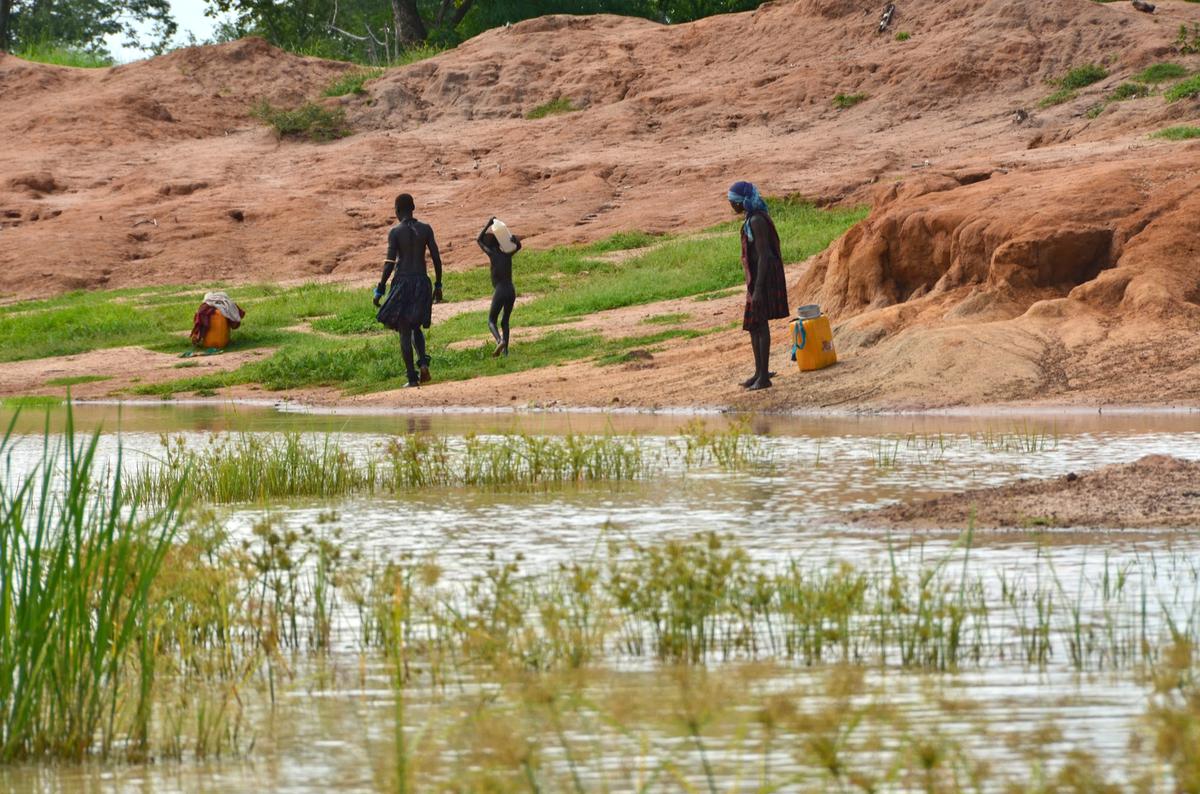
- When seeking relief, they may immerse the affected area in water, which prompts the worm to emerge and release hundreds of thousands of larvae, potentially contaminating communal water sources and perpetuating the infection cycle.
- While a worm by itself is not lethal, it debilitates those whom it infects and prevents them from earning their livelihoods.
- India eliminated Guinea worm disease in the 1990s, concluding a commendable chapter in the country’s public health history through a rigorous campaign of surveillance, water safety interventions, and education.
- The government of India received Guinea worm disease-free certification from the WHO in 2000.
- This accomplishment was the result of a collaboration between the Indian government, local health workers, and international partners.
- The strategy that brought us to the brink of eradication was straightforward:
- Intersectoral coordination, community participation, and a sustained focus on prevention through health education.
- The WHO recorded only six cases of Guinea worm disease in 2023.
- Nations like South Sudan and Mali, where the disease was once more common, have made commendable progress, although the fight continues in Chad and the Central African Republic.
New reservoir
- In 2020, researchers also discovered Guinea worms in animal reservoirs, particularly dogs, in Chad, casting a shadow of complexity over the final stages of eradication.
- This development is a crucial reminder of the disease’s tenacity and, importantly, signals to countries where the disease was previously endemic, including India, to not let their guard down.
- If the worm persists in this way, governments must stay vigilant and maintain adaptable public health strategies to ensure they don’t lose the upper hand.
Conclusion
- Finally eradicating Guinea worm disease wouldn’t just represent a victory over a single parasitic but a triumph of humankind at large.
- It will underscore a collective moral responsibility towards the most vulnerable, and demonstrate the profound impact addressing health disparities can have on communities.