| Aspect | Details |
|---|---|
| Event | World Mangrove Day |
| Date Observed | July 26 |
| Established By | UNESCO |
| Year of Establishment | 2015 |
| Purpose | Raise awareness about the importance of mangrove ecosystems, promote their conservation, and encourage sustainable use. |
| Key Figures | Guillermo Cano Isaza (Colombian environmentalist commemorated by UNESCO) |
| Mangrove Definition | Trees and shrubs growing in coastal saline or brackish water in tropical and subtropical regions. Approximately 110 species exist globally. |
| Ecological Importance | - Natural disaster defense (e.g., tsunamis, storms) - Carbon sequestration (five times more CO₂ storage than tropical forests) - Biodiversity hotspots - Livelihood support (honey, silk, seafood). |
| Threats | Shrimp farming, deforestation for wood and charcoal, urban expansion, climate change (rising sea levels, increased salinity). |
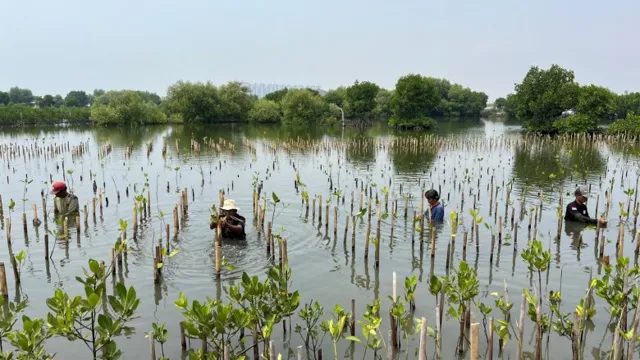
| Conservation Efforts | Planting mangrove saplings, educating and advocating, supporting eco-friendly livelihoods, reducing carbon footprint. |
| Notable Fact | Sundarbans (West Bengal, India) is the world's largest mangrove forest and a UNESCO World Heritage Site. |
| Ancient Origins | Fossils indicate mangroves existed 75 million years ago. |

Workflow
Login
Contact Counsellor