

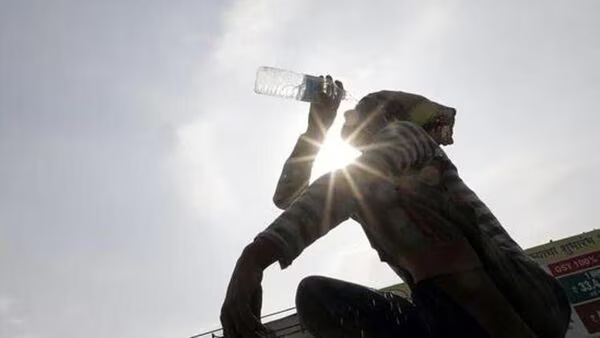
Wet-bulb heat: A rising threat we cannot ignore
- India Faces Rising Danger from Heat and Humidity.
- Climate change is bringing a dangerous new threat: extreme "wet-bulb heat." This combines scorching temperatures with high humidity, making it hard for the body to cool down.
Record Heat and Muggy Conditions:
- Recent Delhi temperatures hit an all-time high of 52.9° Celsius, creating sweltering conditions across India.
- Data shows summers are getting muggier, with Delhi's average summer humidity rising from 52.5% to over 60% in recent years.
What is Wet-Bulb Heat?
- A wet-bulb thermometer measures the air's ability to cool through evaporation.
- Higher humidity reduces evaporation, leading to higher wet-bulb temperatures.
The Risks of Wet-Bulb Heat:
- This extreme heat and humidity can cause heat stress and even death.
- Studies suggest spending over five hours outdoors in wet-bulb heat above 35° Celsius can be fatal.
- Millions of outdoor workers in India face serious health risks. Rising wet-bulb heat could put a large portion of the population at risk by mid-century.
- The energy demand for cooling will be massive, potentially creating a negative cycle if not managed properly. Achieving carbon neutrality by 2070 will be even harder.
What Needs to be Done?
- Public awareness and education on wet-bulb heat are crucial for preparing the public and policymakers.
- Immediate policies are needed to protect vulnerable populations. This includes heat action plans, cooling centers, and heat-reducing urban planning.
- Long-term strategies for sustainable infrastructure are essential to adapt to worsening conditions and protect citizens from future heat-related deaths.