

Urgent need to control use of e-cigarettes, says WHO
- The WHO recently declared that e-cigarettes are not proven effective for quitting tobacco use at the population level.
- Instead, alarming evidence indicates adverse population health effects, prompting an urgent call for control measures.
E-Cigarettes
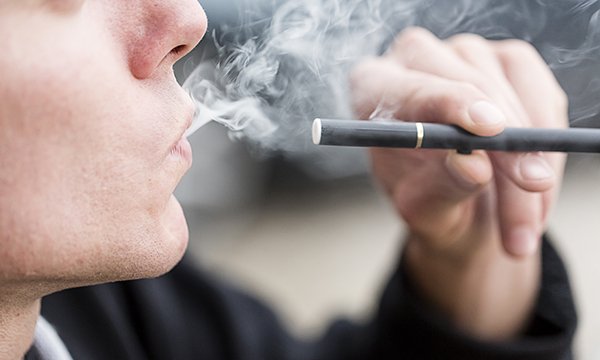
- These are battery powered devices that work by heating a liquid into an aerosol that the user inhales and exhales.
- The e-cigarette liquid typically contains nicotine, propylene glycol, glycerin, flavourings and other chemicals.
Concerns for Children and Non-Smokers
- The WHO Director-General emphasized the urgent need to protect children and non-smokers.
- He cited evidence of early recruitment and nicotine addiction in young users.
- It urged countries to implement strict measures to prevent uptake, especially among children and young people.
Global Market and Regulations
- E-cigarettes have been aggressively marketed to young people globally, with 34 countries banning their sale.
- Inconsistencies exist, as 88 countries lack a minimum age for e-cigarette purchases, and 74 countries have no regulations for these products.
- India, for example, considers the possession of e-cigarettes a violation under the Prohibition of Electronic Cigarette Act (PECA) 2019.
Impact on Youth
- Studies show that brief exposure to e-cigarette content on social media increases the intention to use these products.
- Young e-cigarette users are nearly three times more likely to use traditional cigarettes later.
- WHO highlighted alarming rates of e-cigarette use among 13 to 15 year olds.
Health Risks and Addictiveness
- E-cigarettes with nicotine are deemed highly addictive and harmful to health.
- While the long-term effects are not fully understood, they generate toxic substances linked to cancer, heart and lung disorders.
- The use of e-cigarettes can impact brain development and lead to learning disorders in young people.
- It can also adversely affect foetal development in pregnant women.
- Exposure to emissions also poses risks to bystanders.
Prelims Takeaway
- E-Cigarettes
- Prohibition of Electronic Cigarette Act (PECA)
- World Health Organisation