

UNESCO's Decision on Japan's Sado Gold Mine as a World Heritage Site
| Event | Details |
|---|---|
| UNESCO World Heritage Committee Decision | On July 27, UNESCO registered Japan's Sado gold mine as a cultural heritage site, acknowledging its dark history of abusing Korean laborers during WWII. |
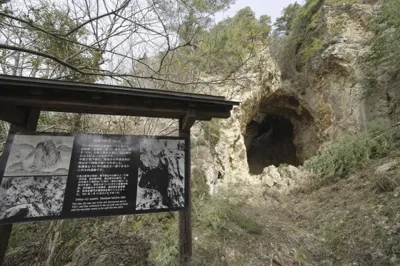
| Location of Sado Gold Mines | Located on an island off the coast of Niigata in northern Japan, the mine operated for nearly 400 years, closing in 1989. |
| Support for Listing | Committee members, including South Korea, unanimously supported the listing on June 27 during an annual meeting in New Delhi, India, after Japan provided additional information and amendments. |
| New Exhibition Material | Japan installed new exhibition material to explain the severe conditions of Korean laborers' work and commemorate their hardship. |
| Memorial Service | Japan will hold an annual memorial service for all workers at the Sado Island gold mines. |
| Japanese Foreign Minister's Statement | Yoko Kamikawa expressed delight at Sado island's designation, highlighting its "extraordinary value" as a cultural heritage site but avoided mentioning the mine's dark history. |
| South Korea's Expectations | South Korea expects Japan to truthfully present both the bright and dark sides of the Sado mine to improve long-term relations. |
| Commitment to Wartime Atrocities | Japan had to demonstrate commitment to addressing its wartime atrocities to gain South Korea's support for the UNESCO bid. |
| Historical Background | During Japan's 1910-1945 colonization of the Korean Peninsula, some Koreans were subjected to forced labor at the Sado mine. |
| Previous Controversial Site | In 2015, Japan's Gunkanjima (Battleship Island) received UNESCO recognition, sparking controversy due to the omission of Korean laborers' history, leading to a UNESCO decision urging a more balanced historical narrative. |