

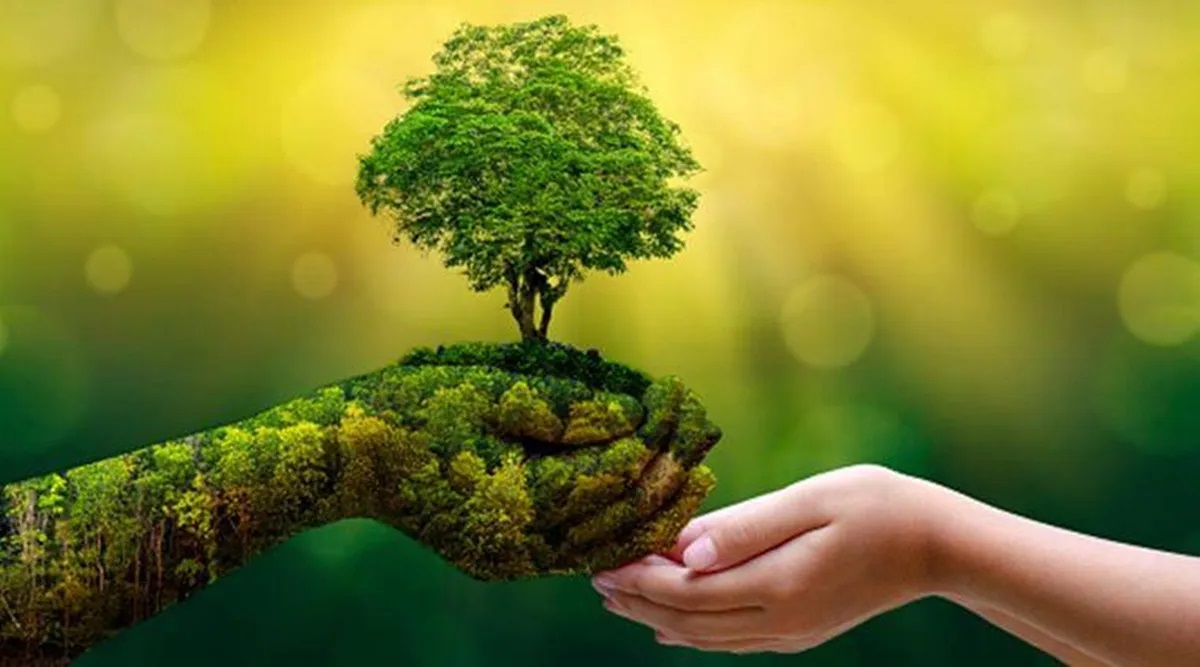
The balance between environment and industry
- The governments in developing countries face a complex dilemma - a political-economy challenge - necessitating a fine balancing.
- This includes regulating projects with potential environmental impacts while also promoting investment and infrastructure development to spur economic growth and alleviate poverty.
Environmental Clearance and the EIA Rules
- The Environmental Impact Assessment (EIA) rules aimed to strike a balance between development and environmental protection.
- The rules were enacted in 2006 under the Environmental (Protection) Act.
- Environmental Clearance (EC) is mandatory for various projects, including mining, thermal plants, and infrastructure programs.
- However, according to reports, the balance between environment and industry seems to be tilting far too much towards the latter.
Loopholes in the EIA
- In 2017, the government introduced a loophole to the EIA, granting a six-month moratorium to companies lacking EC compliance.
- This one-time window was made indefinite in 2021, leading to criticism and legal challenges.
- Over 100 projects, between 2017 and 2024, received ex post facto environmental clearance under the diluted EIA, raising concerns about environmental degradation.
- These include coal, iron and bauxite mines, steel and iron factories, cement plants and limestone quarries
Political and Ideological Variances
- Environmental clearances have been contentious across different governments and ideological spectrums.
- The Environment Ministry has been labelled both "anti-business" and "anti-environment" at various times.
- However, weakening the EIA and the National Green Tribunal is a matter of grave concern.
Urgent Need for Action
- India's low ranking in the Environmental Performance Index underscores the urgency of addressing environmental concerns.
- Viewing both environment and development as complementary rather than competing interests is crucial.
Call for Robust Policy Framework
- Embracing environmentalism as a part of development and vice versa can position India as a global leader in sustainability.
- For this, India requires a robust policy and regulatory framework that facilitates business while ensuring careful assessment of project impacts.
- Constantly exploiting loopholes undermines environmental protection efforts and hampers long-term sustainable growth.