

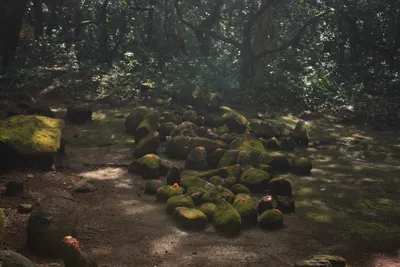
Preserving India's Sacred Groves: Biodiversity and Climate Mitigation
| Topic | Details |
|---|---|
| Why in News? | Sacred groves, which support biodiversity and act as carbon sinks, are under threat, especially in states like Jharkhand, Rajasthan, and Chhattisgarh. |
| About Sacred Groves | Patches of natural vegetation dedicated by local communities to deities or ancestral spirits. Known as sarnas, devgudis, or orans in different states. Legally protected under the Wildlife (Protection) Amendment Act, 2002. |
| Extent and Distribution | Cover 33,000 hectares (0.01% of India's land area). Over 13,000 documented groves, with Maharashtra leading with nearly 3,000. |
| Biodiversity & Cultural Significance | Biodiverse areas with deep cultural ties to tribal communities. Represent environmental conservation through spiritual codes and customary governance systems. |
| Role in Climate Goals | Act as natural carbon sinks, aiding India's net-zero target by 2070. Preservation maintains human-nature bonds and prevents community alienation. |
| Role in Biodiversity Conservation | Example: A sacred grove in Raigad, Maharashtra, conserved by the Waghoba Habitat Foundation, saw the return of a leopard, indicating ecological recovery. |
| Conservation Approach | Align with OECM under the Convention on Biological Diversity. Managed by communities, integrating cultural values. Initiatives like Gherabandi (Jharkhand) and renovation projects in Chhattisgarh exist, but lack community involvement often leads to neglect. |
| Carbon Sinks | Long-term storage of carbon in plants, soils, and oceans. Natural carbon sinks balance CO2 in the atmosphere, crucial for life. When plants and animals die, much carbon returns to the ground, reducing global warming impact. |