

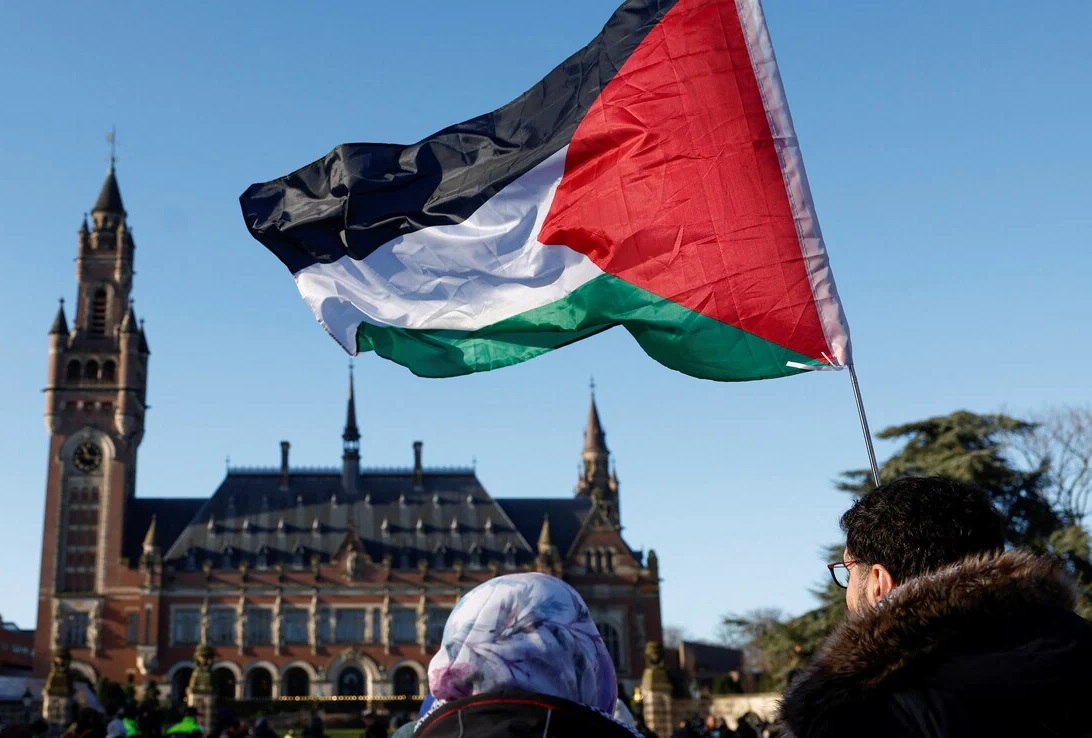
On Israel’s obligation to prevent genocide
- In a landmark ruling, the International Court of Justice (ICJ) has mandated Israel to take measures to prevent acts of genocide in Gaza.
- Israel's compliance with the ruling remains uncertain, given the absence of an enforcement mechanism by the ICJ.
Can South Africa Move Against Israel?
- The Genocide Convention (Article IX) allows states to bring cases against others, even if not directly involved in the conflict.
- This is because the prohibition of genocide is considered a peremptory norm of international law (jus cogens) from which no derogation is permissible.
- South Africa, despite its unrelated status, was granted standing to sue, emphasizing the common interest of all states parties in preventing genocide.
Basis for the Ruling
- The Court found a "plausible" link between South Africa's claims and the protection sought for Palestinians, citing statements from Israeli officials as evidence.
- While an immediate ceasefire was denied, Israel is ordered to prevent genocidal acts, allow entry of basic services, and preserve evidence.
- With respect to compliance, Israel was directed to submit a report to the Court on all steps undertaken within one month.
- The Court said that the fate of hostages abducted by Hamas is a grave concern and called for their immediate and unconditional release.
What Happens Next?
- The UN Security Council will discuss the decision, potentially giving it a binding effect.
- The US, with a history of shielding Israel from UNSC demands, faces a dilemma in vetoing an ICJ-approved decision.
- Western countries, including the US, have suspended funding for the UNRWA, alleging its staff's involvement in Hamas attacks.