| Aspect | Details |
|---|---|
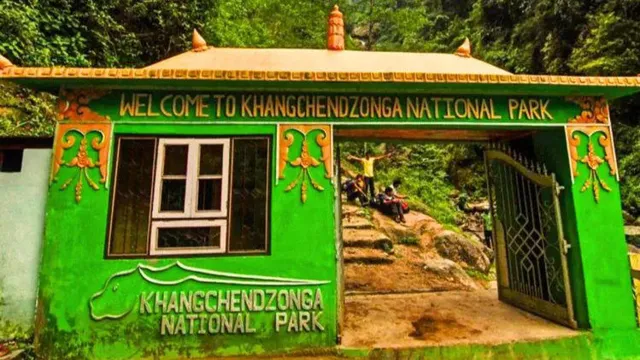
| Event | Khangchendzonga National Park earns a "Good" rating in the latest IUCN global assessment. |
| Recognition | Recognized by UNESCO in 2016 as India's first "mixed" World Heritage Site. |
| Location | Located in the Eastern Himalayas, covering 1,784 sq. km from subtropical forests to the summit of Mount Khangchendzonga (8,586 m), the third-highest peak globally. |
| Biodiversity | Home to 280 glaciers, 70 glacial lakes, rare species like snow leopard, red panda, clouded leopard, Himalayan tahr, and over 550 bird species including impeyan pheasant. |
| Cultural Significance | Sacred to Lepcha people (Mayel Lyang) and Tibetan Buddhists (beyul). Hosts ancient monasteries like Tholung, preserving spiritual traditions. |
| Conservation Status | Designated as a Biosphere Reserve in 2018. Features low human impact, community involvement, sustainable development, and cross-border cooperation with Nepal's Kanchenjunga Conservation Area. |
| Resilience | Minimized damage during the 2024 glacial lake outburst flood due to preemptive hazard mapping. |
| Global Significance | One of only 12 sites worldwide recognized as both natural and cultural heritage. Part of the Eastern Himalayas, a biodiversity hotspot with over 10,000 plant species. |
| Comparison | Other Indian heritage sites like Western Ghats, Sundarbans, and Manas Wildlife Sanctuary are listed with concerns or threats. |

Workflow
Login
Contact Counsellor