

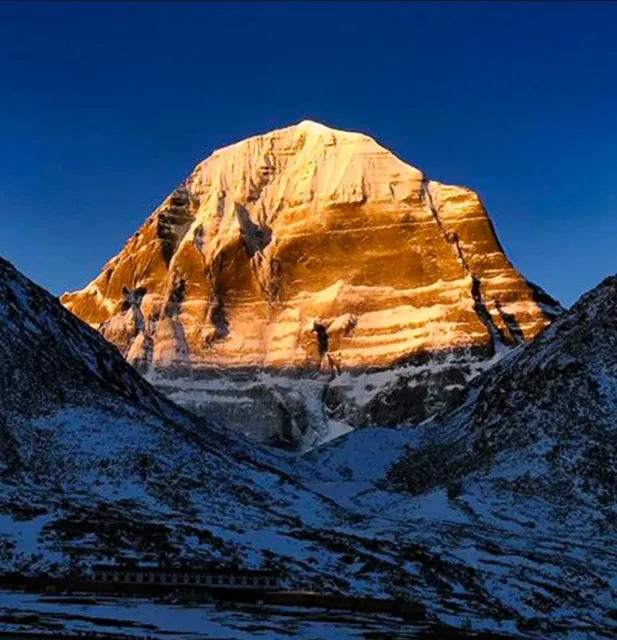
Kailash Mansarovar Yatra 2025
I. Pilgrimage Resumption
- Restarted after 5 years (paused due to COVID-19 + India-China tensions).
- 750 pilgrims selected by MEA (2025):
- Lipulekh Pass (Uttarakhand): 5 batches × 50 pilgrims
- Nathu La Pass (Sikkim): 10 batches × 50 pilgrims
II. Spiritual & Geographical Significance (GS Paper I)
- Mount Kailash (6,638 m):
- Hindus: Shiva’s abode
- Buddhists: Cosmic axis (Mount Meru)
- Jains: Site of 1st Tirthankara’s enlightenment
- Bon: Home of sky goddess Sipaimen
- Sacred Lakes:
- Manasarovar (freshwater): Ritual baths
- Rakshastal (saltwater): Spiritual contrast
- River Sources: Brahmaputra, Indus, Sutlej, Karnali → "Hydrological Crown of Asia"
III. Historical Evolution
| Period | Key Developments |
|---|---|
| Pre-1904 | Limited access; reserved for ascetics |
| 1905 | Charles Sherring (British official) improved Lipulekh route |
| 1930s | ~730 pilgrims/year |
| 1950-1980 | Closed after China’s Tibet annexation (1950) |
| 1981 | Resumed via Lipulekh (India-China agreement) |
| 2015 | Nathu La route opened (easier access) |
IV. Modern Accessibility
- Reduced Trekking:
- 2019: 27 km trek on Indian side → 2025: Only 1 km (motorable roads)
- Nathu La Advantage:
- 1,500 km route covered by bus/car (Gangtok-Nathu La-Mansarovar)
- Rituals:
- Parikrama: Kailash (52 km, 3 days) & Mansarovar (90 km, 3-5 days)
**V. Strategic & Diplomatic Angle **
- Geopolitical Sensitivity:
- Routes pass through China-occupied Tibet → Requires bilateral coordination
- Lipulekh Pass: Claimed by Nepal (2015 map dispute)
- Infrastructure Push:
- Border Roads Organisation (BRO) developed routes (e.g., Kailash-Mansarovar Marg)