

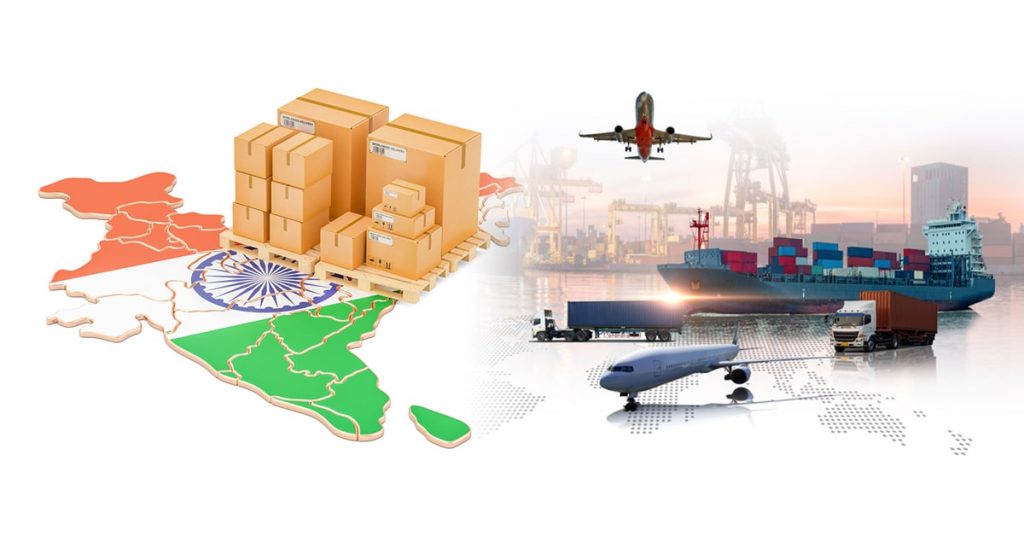
India's Tariff Policies and Trade Dynamics
- Since the early 1990s, India had been steadily moving towards a low tariff structure.
- According to a study, the average tariff declined from 125 percent in 1990-91 to 13 percent in 2014-15.
Recent Trends
- Since 2014, there has been a reversal in this trend, with approximately 3,200 tariff increases, with the largest increases occurring in 2018.
- These large tariff increases can be traced to the government's push for self-reliance or "atmanirbharta."
- These hikes have resulted in India's average tariff rate rising to around 18%, affecting various sectors and impacting trade dynamics.
Comparison with Other Countries
- India's tariffs now surpass those of key competitors like China, Vietnam and Bangladesh, hindering export competitiveness and disadvantaging manufacturers.
- High tariffs have implications for sectors such as electronics and pharmaceuticals.
- China accounts for a sizeable share of India’s imports, especially crucial inputs and capital goods.
Government Response and Reevaluation
- Some sections within the government are advocating for a more nuanced approach, recognizing the adverse effects of high tariffs.
- Ahead of the Union Budget 2024-25, the government announced a reduction in import duties on mobile phone components.
- This move aligns with the need to foster efficiency, promote competitiveness, and benefit consumers.
Future Direction
- Alongside tariff adjustments, the government must continue its efforts to sign trade agreements to enhance market access and promote economic cooperation.
- Recent agreements with the UAE and Australia demonstrate a willingness to engage in comprehensive economic partnerships.
- Additionally, similar pacts with other countries, including the European Union, should be pursued.
Conclusion
- India stands at a critical juncture regarding its tariff policies, balancing the goals of self-reliance with the imperatives of global competitiveness.
- A nuanced and strategic approach to tariff management, coupled with proactive engagement in international trade agreements, will be essential to foster sustainable growth and development.