

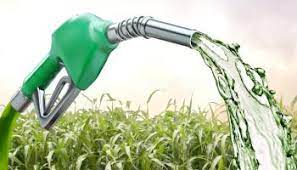
India’s ethanol conundrum
- India's 20% ethanol blending target by 2025 is facing obstacles.
- Reasons: Low sugar stocks and an impending shortfall in sugarcane production.
Shift Towards Grains-Based Ethanol
- The government is considering a transition towards grains-based ethanol to meet the target, particularly focusing on maize.
- The authorization of NAFED and NCCF to procure maize for ethanol distilleries signals an emphasis on this transition.
Crude and Food Prices Connection
- Ethanol production globally relies on feedstocks like sugarcane (Brazil) and corn (the US).
- A historical connection exists between crude oil and food prices, especially with the use of corn for ethanol production.
- High crude prices drive up ethanol and corn prices, impacting global food prices and contributing to the 2006-14 global food crisis.
- At low crude prices, ethanol blending is not competitive; it is a slow process driven by heavy subsidies.
Challenges and Food-Fuel Conflict
- Using grains like corn for ethanol directly diverts grain from food or livestock feed, creating a food-fuel conflict.
- India's move towards maize-based ethanol may pose challenges for the economy, particularly in terms of potential food inflation.
Differential Pricing
- India introduced differential pricing in 2017-18, incentivizing the use of cane juice for ethanol, leading to challenges in sugar stocks.
- A corrective step was taken with a Ministry of Consumer Affairs order banning the use of cane juice for ethanol production.
- According to government estimates, to meet the EBP target by 2025, India needs 16.5 million tonnes of grains annually.
Way Forward
- The government faces a delicate food-fuel trade-off, choosing between intensifying hunger and reducing fossil fuel use.
- Options include reconsidering the ethanol blending target or investing more in public infrastructure, urban design and renewables.