| India's Role in SDGs | At the UN Sustainable Development Summit in 2015, PM Modi emphasized India's critical role in achieving the SDGs globally, stating that the sustainable development of one-sixth of humanity will significantly impact the world. |
| NITI Aayog's Role | NITI Aayog, India's premier think tank, is responsible for coordinating SDGs, mapping related schemes, and identifying lead ministries for each target. The Ministry of Statistics and Programme Implementation (MoSPI) is developing national indicators. |
| State Governments' Role | State governments are crucial for ensuring progress on SDGs, as they are best placed to prioritize people and ensure no one is left behind. |
| UN Support in India | The UN Country Team in India supports NITI Aayog, Union ministries, and state governments in addressing SDGs, ensuring no one is left behind, and advocating for adequate financing. |
| 2030 Agenda for Sustainable Development | Adopted by 193 UN Member States in September 2015, the agenda includes 17 SDGs and 169 targets, aiming for universal progress under the principle of "Leave No One Behind." It came into effect on 1 January 2016. |
| Development Dimensions | Development must include all people, especially the most vulnerable and marginalized, and focus on fairer societies and a sustainable planet. |
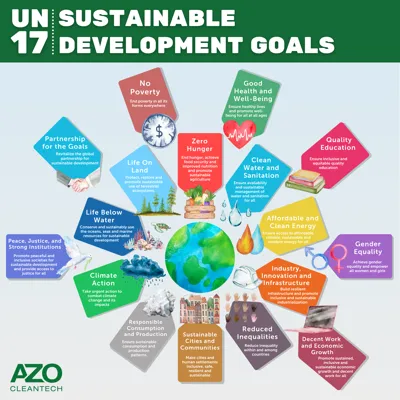
| 17 SDGs Overview | The SDGs aim to address global challenges, including poverty, hunger, health, education, gender equality, clean water, energy, work, innovation, inequalities, cities, consumption, climate action, life below water, life on land, peace, and partnerships. |
| Key Objectives of SDGs | Each SDG has specific objectives, such as ending poverty, achieving zero hunger, ensuring quality education, promoting gender equality, and addressing climate change. |