

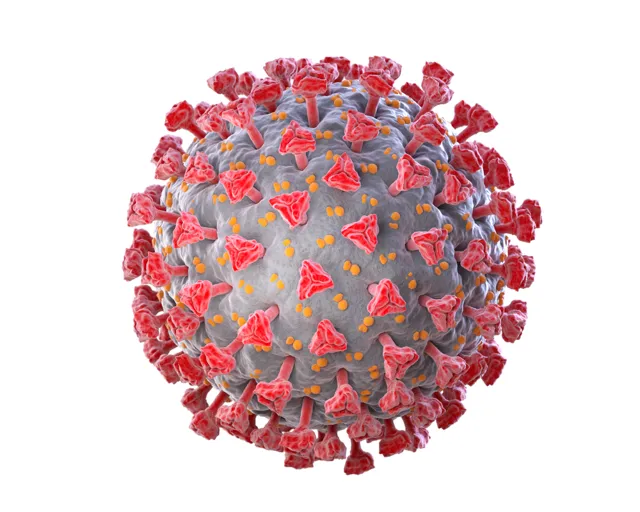
Human Coronavirus HKU1: Identification, Symptoms, and Transmission
| Aspect | Details |
|---|---|
| News Context | A woman in Kolkata is suffering from human coronavirus HKU1, a species of coronavirus that typically causes milder respiratory illnesses and does not pose a pandemic threat. |
| Identification & Evolution | - HKU1 is not a novel virus like Covid-19.- First identified in 2005 as a rare isolate.- Has been evolving steadily in humans, who are its only known reservoir. |
| Symptoms & Severity | - Affects the upper respiratory tract, causing symptoms like the common cold and flu.- Symptoms include malaise, persistent cough, runny nose, nasal congestion, blocked sinuses, sore throat, fatigue, headaches, and low-grade fever.- In severe cases, may lead to pneumonia or bronchitis. |
| Mode of Transmission | - Spreads through direct contact, respiratory droplets, and touching contaminated surfaces. |
| Vulnerability | - Generally self-limiting and resolves on its own.- Vulnerable groups like the elderly, children, pregnant women, and those with immuno-compromised conditions or co-morbidities need to be vigilant. |
| Treatment | - No vaccine or specific treatment; most individuals recover on their own. |