

Grass-root democracy as a bulwark against Maoists
- The recently concluded Assembly elections in Chhattisgarh were influenced significantly by tribal votes, constituting 34% of the state's electorate.
- The political party aligned with the tribal vote traditionally forms the government, making tribal support crucial.
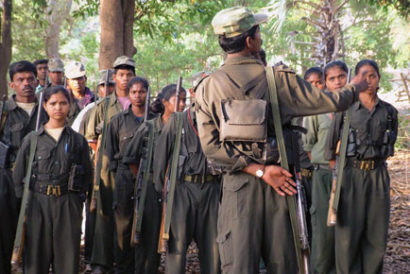
Maoist Insurgency in Chhattisgarh
- Chhattisgarh's tribal regions, particularly Bastar, are affected by Maoist insurgency.
- Maoists operate in Schedule Five areas, often leading to violence and low voter turnout during elections.
- The Maoist insurgency poses a challenge to democratic processes in the region.
Low Voter Turnout in Maoist-Affected Areas
- Media reports indicate extremely low voter turnout (3-4%) in Maoist-affected areas like Bijapur and Konta.
- This raises concerns about the democratic process in regions where Maoists call for election boycotts, reflecting potential disillusionment among the electorate.
Challenges Faced by Democracy in Maoist Regions
- Maoists, advocating for the people's cause, paradoxically discourage democratic participation of locals.
- Efficacy of Maoists' claims is questioned as they hinder the empowerment of the people they claim to represent.
Election Issues and Tribal Aspirations
- Religion-based conversions emerged as a dominant election issue.
- However, it is viewed as a manufactured agenda to divert attention from core issues.
- Tribals increasingly demand their constitutional rights, evident in movements like Pathalgadi in Jharkhand, where they assert their rights for dignity.
Role of PESA Act in Empowering Tribals
- The implementation of the Provisions of the Panchayats (Extension to Scheduled Areas) Act (PESA) since its enactment in 1996 has been incomplete.
- Proper execution of PESA could empower gram sabhas, aligning with tribal traditions and potentially mitigating Maoist influence by addressing tribal aspirations.
Nurturing Tribal Leadership
- Empowering democracy at the grassroots level is seen as a crucial step in countering Maoist influence.
- Following could contribute in resolving the Maoist challenge beyond just security and development measures.
- Acknowledging and nurturing tribal leadership
- Providing a voice to tribal communities
- Recognizing their aspirations
- There is a need for a holistic, long-term approach to address the underlying issues and aspirations of tribal populations.