

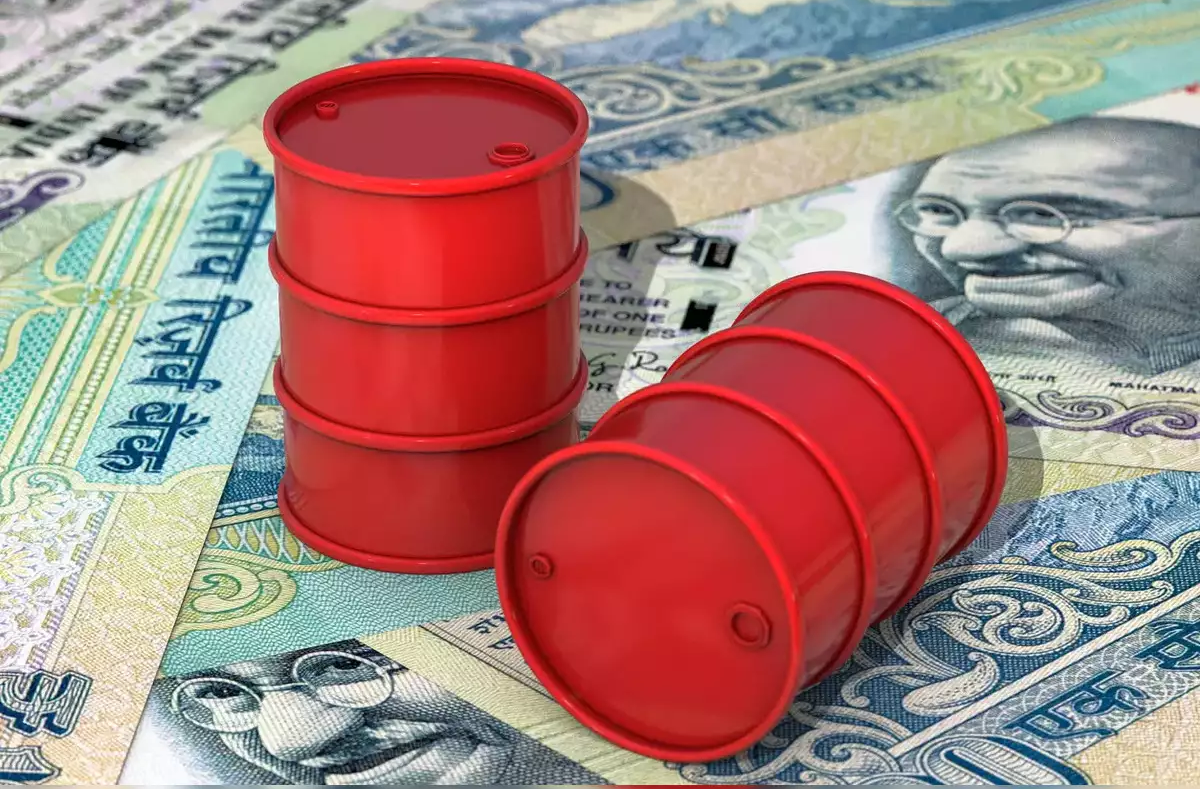
First rupee payment for oil to UAE: India looks for more deals, no targets, say officials
- India's recent payment in rupees for crude oil purchased from the UAE marks a significant step in India's efforts to make rupee a global player.
- India is exploring similar deals with other suppliers, aiming to cut transaction costs by settling trades in rupees.
The Background
- With over 85% dependence on oil imports, India pursues a three pronged strategy of
- Sourcing from the cheapest available suppliers
- Diversifying the sources
- Not breaching any international obligation
- India has already signed a rupee settlement agreement with the UAE and made payments to the Abu Dhabi National Oil Company (ADNOC) in Indian rupees.
Rupee's Role and Encouraging Oil Exporters
- The US dollar has been the default currency for crude oil imports for decades, offering liquidity and lower hedging costs.
- However, to boost the rupee's role in cross-border payments, RBI allowed banks to settle trades in rupees with 18 countries.
- India is encouraging major oil exporters like the UAE and Saudi Arabia to accept the Indian currency for trade settlements.
- India aims to reduce dollar demand and make its economy less vulnerable to global currency shocks.
Challenges and Caution
- The internationalization of the rupee is a gradual process and should not lead to increased costs or be detrimental to trade.
- While smaller trades in rupees pose fewer challenges, larger transactions require careful consideration.
Parliamentary Committee Report
- It noted that there were not many takers for the Indian rupee in the preferred currency.
- During FY 2022-23, no crude oil imports by oil PSUs were settled in Indian rupee.
- Crude oil suppliers expressed concerns about fund repatriation.
- They also highlighted high transactional costs associated with currency conversion and exchange fluctuation risks.
Prelims Takeaway
- Internationalisation of Rupee