

Denmark's Pioneering Carbon Tax on Livestock Emissions
| Aspect | Details |
|---|---|
| Initiative | Denmark plans to implement a tax on livestock farmers starting in 2030. |
| Target | Methane emissions from cows, sheep, and pigs. |
| Goal | Achieve a 70% reduction in Danish greenhouse gas emissions from 1990 levels by 2030. |
| Tax Details | - 2030: 300 kroner ($43) per ton of CO2 equivalent, with 60% deduction. Actual cost: 120 kroner ($17.3).- 2035: 750 kroner ($108) per ton, actual cost: 300 kroner. |
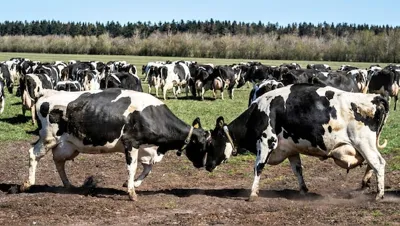
| Primary Focus | Cows, due to significant methane emissions. |
| Environmental Impact | - Methane is 87 times more potent than CO2 over 20 years.- Livestock farming accounts for 32% of human-caused methane emissions.- Tax projected to cut 1.8 million tons of CO2-equivalent emissions by 2030. |
| Investments | - 40 billion kroner ($3.7 billion) in environmental measures.- €5.3 billion to reforest 250,000 hectares by 2045.- Set aside 140,000 hectares of lowland by 2030. |
| Annual Tax per Cow | - 2030: 672 kroner ($96).- 2035: 1,680 kroner ($241). |
| Reactions | - Positive: "A historic compromise" by Maria Reumert Gjerding.- Negative: Concerns among farmers about investment burdens. |
| Denmark's Climate Goal | Climate neutrality by 2045. |
| Key Takeaways | - Capital: Copenhagen.- Official language: Danish.- Government: Monarchy, Unitary state, Parliamentary system.- Continent: Europe.- Population: 5.9 million (2022). |