

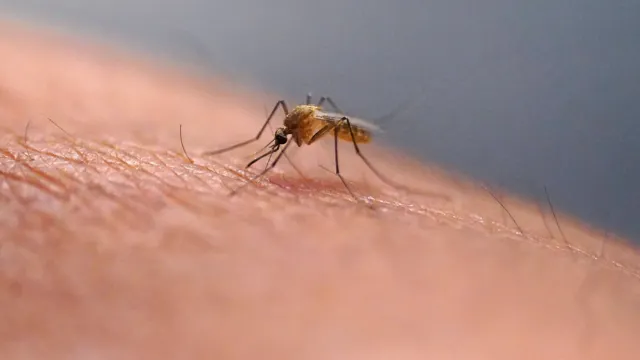
Chikungunya Virus Epidemic Warning
WHO Warning & Urgency
- Global Threat: Rising risk of a major epidemic due to climate change (expanding mosquito habitats), urbanization, and increased global travel.
- Hotspots: Americas, SE Asia, Africa, and India (high vulnerability).
- Call to Action: Strengthen surveillance, mosquito control, and vaccine development.
Chikungunya
Transmission & Symptoms
| Aspect | Details |
|---|---|
| Vector | Aedes aegypti (primary), Aedes albopictus (same mosquitoes as dengue/Zika). |
| Incubation | 2–12 days post-mosquito bite. |
| Key Symptoms | • High fever (≥104°F) • Severe joint pain (chronic, lasting months/years) • Rash, headache, muscle pain |
| Complications | Chronic arthritis, neurological issues (meningoencephalitis), myocarditis. |
Treatment & Prevention
- No Cure: Supportive care only (hydration, NSAIDs for pain/fever).
- Prevention: Mosquito control (source reduction, larvicides), personal protection (repellents, nets).
- Vaccine Status: No licensed vaccine yet (6 candidates in trials as of 2024).
Why WHO’s Warning Matters for India
- 2023 Cases: 93,455 suspected cases (highest in Karnataka, Delhi, Maharashtra).
- Climate Link: Monsoon rains + urbanization → ideal Aedes breeding.
- Co-Infection Risk: Same mosquito transmits dengue/chikungunya → strains healthcare.