

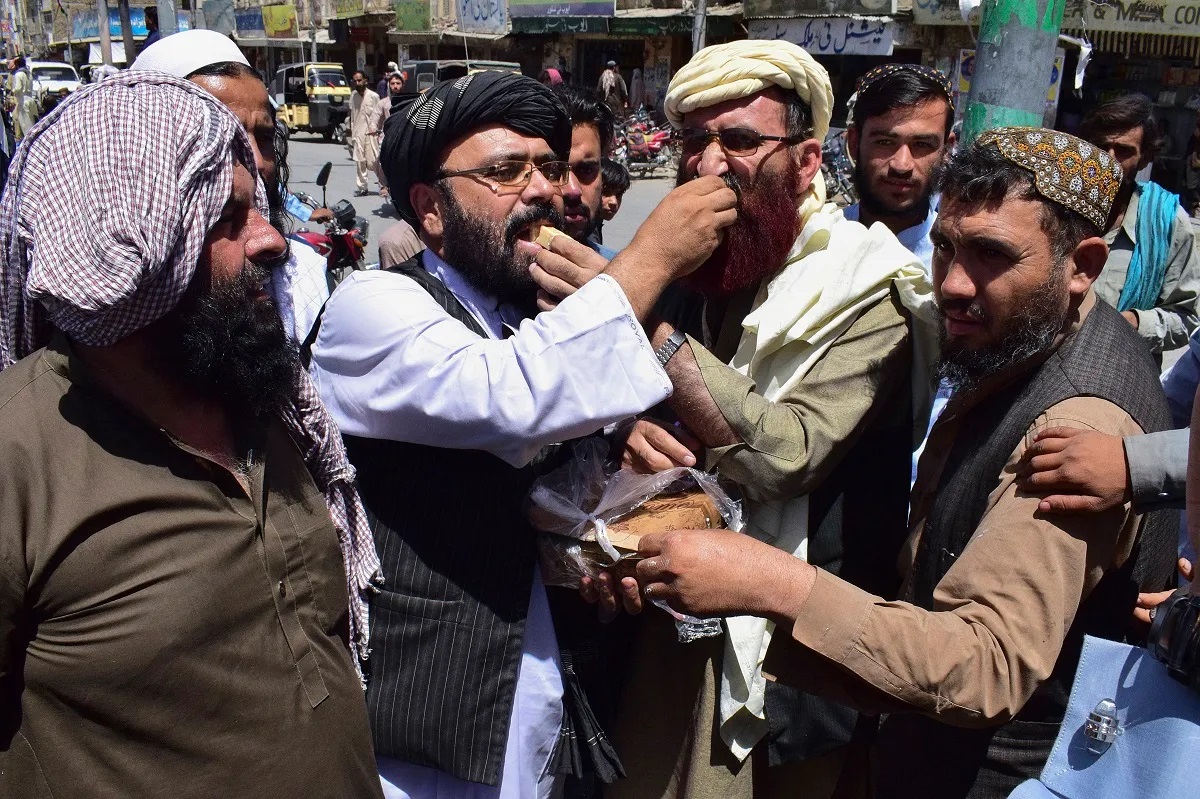
Blowback: Pakistan is paying for its role in supporting Islamists in Afghanistan
- When the Taliban returned to power in Kabul in August 2021, Imran Khan, the then Prime Minister of Pakistan, claimed that Afghanistan had broken the “shackles of slavery”.
Key Highlights
- Two and a half years later, the Afghanistan-Pakistan border is a source of friction between the two countries.
- Pakistan carried out air strikes in the Afghan provinces of Paktika and Khost earlier this week, killing at least eight civilians.
- Pakistan says it was targeting the Tehrik-I-Taliban Pakistan (TTP), which it blames for a surge in terror attacks on its territory.
- In retaliation, the Taliban launched attacks on Pakistani military posts along the border.
- Pakistan, which played a key role in the Taliban’s rise in the 1990s, has backed the Sunni Islamist group for years.
Pakistan -taliban relation
- In the late 1990s, when the Taliban were in power, Pakistan was one of only three countries to formally recognise the regime.
- Islamabad turned against the Taliban under pressure from Washington after the September 11, 2001 terrorist attacks
- But it tactfully played a double game over two decades by remaining an American ally in its war on terror while backing the Taliban.
- The entire Taliban leadership was based in Quetta, Balochistan, during this phase.
- Pakistan cultivated the Taliban against the U.S.-and India-backed Afghan government.
- When the Afghan government of President Ashraf Ghani collapsed in 2021 in the midst of America’s withdrawal from Afghanistan and the Taliban’s return to power, Pakistan expected to deepen its strategic presence in South Asia through a client regime in Kabul.
- But the opposite happened. Historically, Afghan governments have not had very good relations with Pakistan, given their disputed border, the Durand Line.
- When the Taliban were an insurgency, they needed Pakistan and Pakistan needed them as a counterweight to the government in Kabul.
- But today, the Taliban are the government in Kabul. Besides, the return of the Taliban to power in Afghanistan strengthened the TTP, also known as the Pakistani Taliban.
- What the TTP wants to achieve in Pakistan is what the Afghan Taliban have already achieved in Afghanistan.
- The Afghan Taliban have not severed their ties with the TTP despite Pakistan’s calls and threats, which has put both countries on a collision course.
Conclusion
- Pakistan has no quick fixes. It has a history of supporting Islamist insurgency, which has come back to haunt the state in one way or the other. In Afghanistan, this policy is facing its latest blowback.