

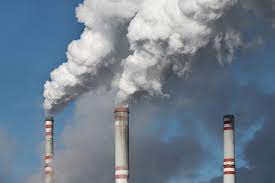
Biden govt. sets tighter standards for soot pollution
- Recently, the USA announced stricter regulations on soot pollution, aiming to reduce fine particle matter from various sources to prevent premature deaths.
- The new rule sets a maximum level of 9 micrograms of fine particle pollution per cubic metre of air, down from 12 micrograms established a decade ago.
Beneficiaries of the Rule
- EPA Administrator said the rule would have $46 billion in net health benefits by 2032, including prevention of up to 800,000 asthma attacks and 4,500 premature deaths.
- The rule will especially benefit vulnerable populations, such as children, older adults and those with pre-existing health conditions.
- It is also expected to benefit the low-income and minority communities disproportionately affected by industrial pollution.
Various Responses
- Environmental and public health organizations view the new Environmental Protection Agency (EPA) rule as a significant advancement in safeguarding citizens' health, particularly future generations.
- However, industry groups express apprehensions, fearing potential job losses and operational shutdowns of power plants or refineries.
- They warn of increased compliance challenges and potential limitations on industrial projects due to the stricter standards.
- The administration dismisses industry concerns, citing technological advancements and past successes in meeting pollution standards.
Potential Economic Consequences
- Lowering the soot standard could lead to challenges in obtaining permits for industrial expansion, potentially affecting modernization projects.
- It could drive companies to seek operations in countries with lax environmental regulations.
Prelims Takeaway
- Black Carbon (Soot)
- Pollution