

Anthrax outbreak in South Africa: All you need to know about the infectious disease
- The World Health Organisation (WHO) has reported a significant anthrax outbreak in Zambia, marking an alarming spread of the disease
Key Points
- First human cases reported on May 5, 2023.
What is Anthrax
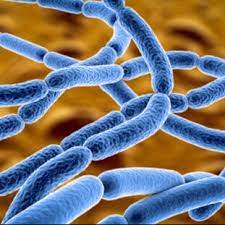
- Caused by the gram-positive bacteria Bacillus anthracis.
- It affects animals like cows, sheep, and goats.
- Humans can get infected through contact with infected animals or contaminated animal products.
Symptoms of Anthrax
- Three forms: cutaneous, gastrointestinal, and inhalational.
- Cutaneous: Itchy bumps developing into black sores, fever, and muscle aches.
- Gastrointestinal: Resembles food poisoning, may lead to severe abdominal pain and bloody diarrhea.
- Inhalational: Cold-like symptoms progressing to severe respiratory distress and shock.
Diagnosis of Anthrax
- Identifying Bacillus anthracis in blood, skin lesions, or respiratory secretions through laboratory tests.
- PCR, ELISA tests used.
- No specific test for exposure; public health investigations crucial.
Treatment for Anthrax
- Antibiotics like ciprofloxacin, doxycycline, or levofloxacin.
- Early diagnosis allows cure with antibiotics.
- Severe cases may require hospitalisation, continuous fluid drainage, and mechanical ventilation.
- Vaccines available for both livestock and humans, with human vaccines reserved for high occupational risk.
WHO's Assessment
- WHO assesses the risk of further spread within Zambia as high.
- It emphasises the need for continued vigilance and preventive measures.
Prelims Takeaway
- WHO