

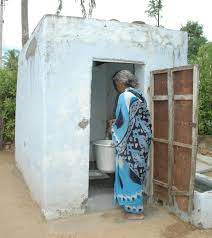
A critical view of the ‘sanitation miracle’ in rural India
- In the past decade, India has made significant strides in improving sanitation coverage, aligning with Goal 6 of the UN's Sustainable Development Goals.
- This progress is rooted in a history of public sanitation programs, notably the Central Rural Sanitation Programme (CRSP) and the Swachh Bharat Mission-Grameen (SBM-G).
Data and Behavioural Patterns
- Government data reveals a remarkable increase in sanitation coverage from 39% in 2014 to 100% in 2019. Around 85% of villages in India have become ODF Plus.
- However, challenges remain in ensuring sustained usage of sanitation facilities due to various behavioural factors.
- Surveys indicate that construction alone does not guarantee usage, with reasons for non-usage ranging from infrastructure issues to social norms.
Household Size and Social Norms
- Along with economic conditions and education, toilet use depends on household size.
- The higher the household size, the greater the chances of not using the toilet.
- Overcrowding and social norms prevent all household members from using the same toilet.
- Moreover, access to water plays a crucial role, emphasizing the need for doorstep water access.
- However, Phase II of the SBM-G lacks criteria for multiple toilets in larger households and attached bathrooms, potentially hindering sustained usage.
Lack of Synergy
- While significant investments have been made in sanitation programs, coordination among various initiatives is lacking.
- The absence of synergy among programs addressing basic needs like sanitation, housing, and access to services undermines overall effectiveness and efficient resource utilization.
Conclusion
- India's sanitation journey reflects remarkable progress, yet challenges persist in ensuring sustained usage and coordination among initiatives.
- Addressing behavioural patterns, household dynamics, and enhancing program synergy are crucial for advancing sanitation coverage and achieving lasting impact in public health and well-being.