

A closer look at Myanmar’s discontent
- February will mark the third anniversary of the military coup in Myanmar, which resulted in the removal of the democratically elected government under the leadership of Aung San Suu Kyi.
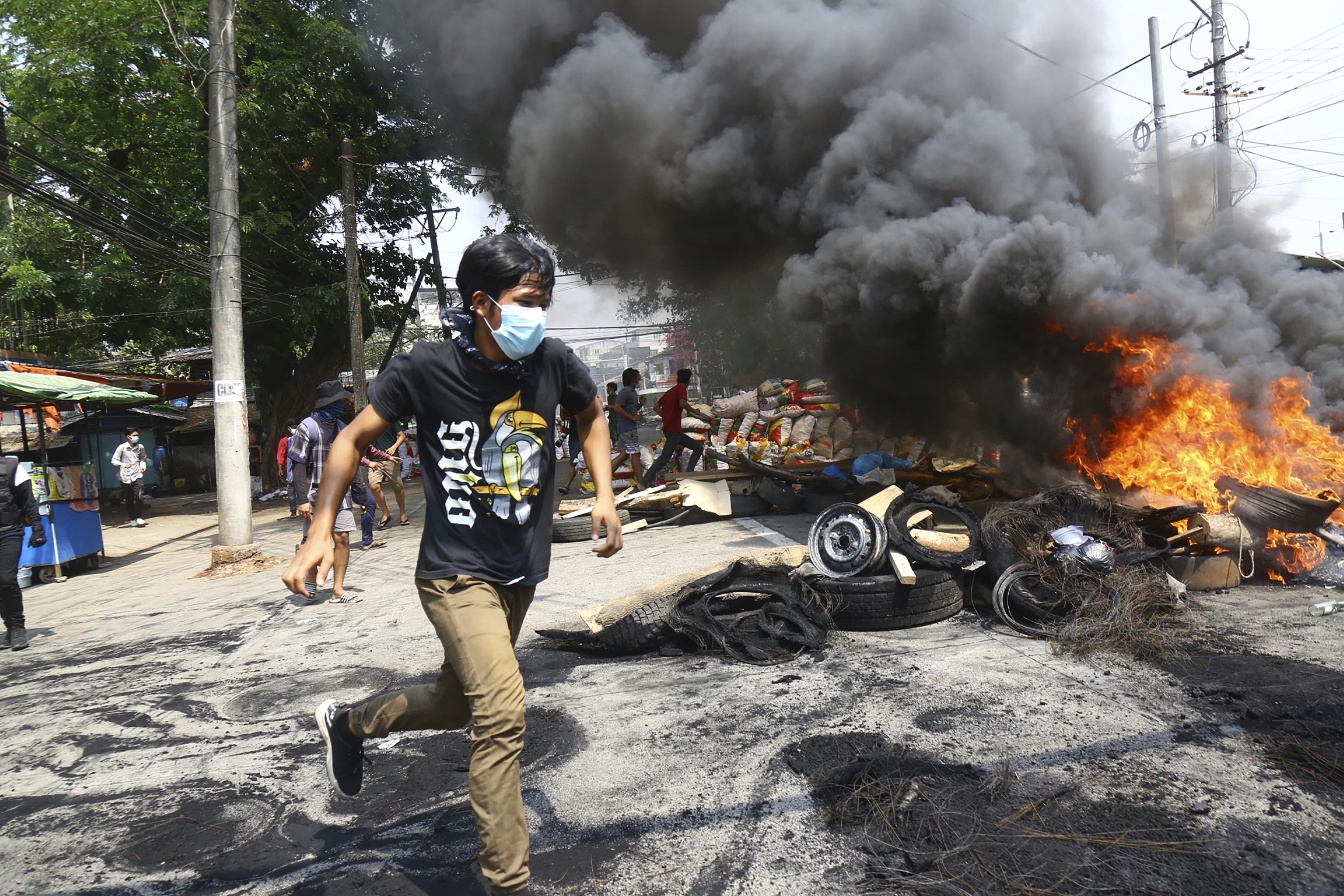
- The coup led to a civil disobedience movement, the formation of a National Unity Government, and the emergence of People’s Defence Forces (PDFs).
Ethnic Armed Organizations' Offensive
- An alliance including the Arakan Army, Myanmar National Democratic Alliance Army, and Ta’ang National Liberation Army launched coordinated attacks last October, causing significant losses for the military in Shan State.
- Paletwa town on the country’s western borders, crucial to India's Kaladan project, is now under the control of the Arakan Army.
- The regions inhabited by the majority Bamar ethnic community, like Sagaing, Bago, and Magwe, also witnessed a surge in resistance.
- The PDFs gained ground against the military, indicating a widespread discontent and a failure of the military's objective to strengthen national unity.
Territorial Loss and Popular Discontent
- The military has conceded large territories to ethnic armed groups and PDFs, facing challenges in recruitment even from Bamar-dominated regions.
- Reports suggest a decline in military cohesion, with personnel surrendering to resistance movements.
- Internal displacement and refugee crises are fueled by reports of the military using force against civilians.
Causes of Territorial Loss
- Contrary to previous instances of territorial loss due to military incapacity, the current setbacks are attributed more to growing popular discontent.
- The military struggles to recruit, with instances of government officials, doctors, and police supporting the resistance.
- Punishments for military personnel failing to prevent desertions highlight increasing stress on military cohesion.
China's Defensive Measures
- China vigorously defends the Myanmar military on international platforms, preventing international censure.
- China's close relations with ethnic armed groups may have played a role in orchestrating a ceasefire in the Shan State.
- It is rumoured that China used the ethnic alliance to stamp out online scams and criminal syndicates that were fleecing millions from Chinese citizens.
ASEAN's Limited Impact
- The Association of Southeast Asian Nations (ASEAN) has outlined a five-point consensus and has denied the Myanmar military a place at ASEAN summits.
- ASEAN special envoy to Myanmar was prevented from having meaningful interactions with all the relevant stakeholders.
- Despite repeated efforts, ASEAN has been unable to influence Myanmar's politics significantly.
Thailand's Influence
- Thailand, with a significant border with Myanmar, has considerable influence.
- The Thai Foreign Minister has engaged with both Myanmar's military leadership and the imprisoned Aung San Suu Kyi.
- It has also made efforts to increase humanitarian assistance and interacts with Myanmar's exile organisations.
India's Potential Role
- India can adopt a more proactive humanitarian approach to help displaced communities in Myanmar, potentially reducing refugee inflows into India.
- In its engagement with Myanmar, India should factor in the three political realities viz. ongoing discontent against the coup, resilient resistance, and political fragmentation.
- Perhaps, India may need to re-calibrate its Myanmar policy after consultations with relevant stakeholders.